



How to Care for Houseplants in Hot Weather
When the temperature starts climbing, we make a few changes around the house and around the Happy Houseplants barn. Most houseplants cope remarkably well with warm weather, but a few simple adjustments can help them stay healthy, happy and looking their best throughout the summer.
Summer is one of our favourite times of year. Plants are actively growing, the days are longer and homes feel brighter. However, hot weather can also bring a few challenges. Compost dries out faster, sunlight becomes more intense and some plants can become stressed surprisingly quickly.
The good news is that most summer plant problems are easy to avoid.

Why hot weather affects houseplants
Many houseplants come from tropical and subtropical parts of the world, but that does not necessarily mean they enjoy sitting in direct sunshine behind a window on a hot summer afternoon.
Glass can magnify heat and light levels significantly. A bright windowsill that feels comfortable in spring can become surprisingly intense during a heatwave.
Signs that a plant may be struggling with heat include:
- Wilting leaves
- Brown or crispy leaf edges
- Pale or scorched patches
- Drooping stems
- Faster drying compost
- Flower buds dropping
If you notice any of these symptoms, don't panic. Most plants recover quickly once conditions improve.
Moving plants away from windows
People are often surprised to hear that some of our plants actually get moved away from windows during hot weather.
We have large bifold doors at home and while the light is fantastic for most of the year, a few days of intense summer sunshine can simply be too much for certain plants.
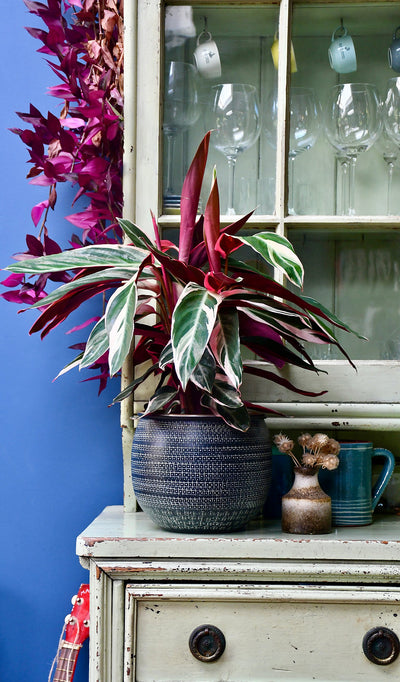
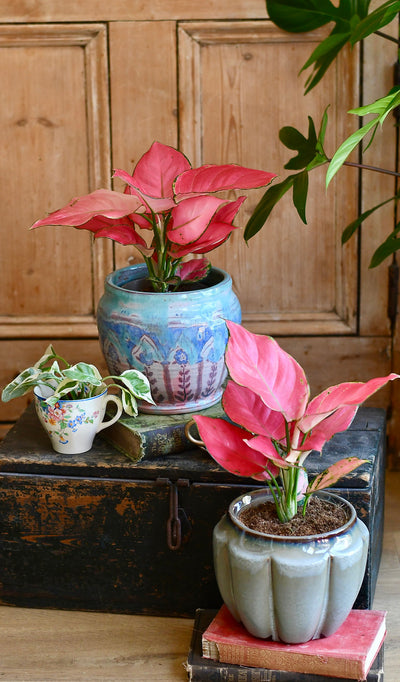
Our Marantas, Calatheas and some of our thinner leaved Anthuriums are usually the first to be moved back a little. They still receive plenty of bright light, but they're protected from the harshest afternoon sun.
Even moving a plant 30 to 60 centimetres away from the glass can make a significant difference.

Water deeply, not constantly
One of the most common mistakes we see during warm weather is what we often call "killing with kindness".
A plant starts looking a little droopy during a hot afternoon, so it gets watered. Then watered again the next day. Before long the compost is permanently wet and the roots are struggling.
Instead of watering little and often, we recommend checking each plant individually.
Feel the compost with your finger, lift the pot if possible and water thoroughly when the plant genuinely needs it.
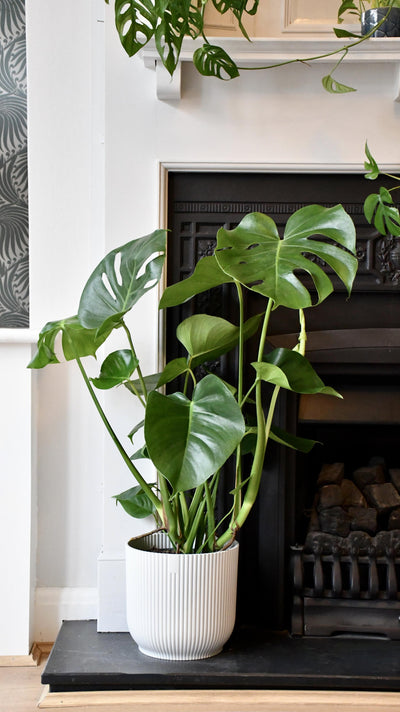
Different plants dry out at different rates. A large Monstera may still be perfectly happy after several days, while a small pot on a sunny shelf may need watering much sooner.
Opening windows and managing airflow
Fresh air is great for houseplants, but strong airflow can sometimes create problems.
During hot weather we often open doors and windows throughout the day. One thing we've learned over the years is that plants sitting directly in the path of a constant breeze can dry out surprisingly quickly.
Hanging plants are often the biggest victims.
We regularly move trailing plants away from open windows and doors because the combination of heat and moving air can leave leaves looking tired and dehydrated even when the compost is still slightly damp.
Moving plants outdoors
Summer can also be an opportunity to give certain plants a change of scenery.
Many of our cacti and succulents spend part of the summer outdoors. We don't place them straight into blazing midday sunshine, but they often appreciate the extra warmth, brighter conditions and fresh air.
A sheltered patio, balcony or bright outdoor spot can work wonderfully for many desert plants during the warmer months.
The key is to introduce them gradually. Plants that have spent months indoors can burn if suddenly exposed to strong direct sunlight.

Increase humidity naturally
Warm weather often means drier air indoors.
Rather than constantly misting plants, which only provides temporary relief, we tend to focus on creating a more stable environment.
Helpful options include:
- Grouping plants together
- Using pebble trays
- Keeping humidity-loving plants in kitchens or bathrooms
- Moving plants away from strong draughts
Many tropical plants appreciate these small adjustments far more than frequent misting.
Avoid fertilising stressed plants
When a plant looks unhappy, fertiliser is rarely the answer.
If a plant is clearly struggling with heat stress, focus on improving its environment first.
Continue your normal feeding routine for healthy, actively growing plants, but avoid increasing fertiliser in an attempt to force recovery.
Observe more, intervene less
Perhaps the biggest lesson we've learned over the years is that hot weather is often more about observation than action.
We don't suddenly start watering everything every day. We don't move every plant in the house. We simply walk around, check the compost, look at the leaves and pay attention to what the plants are telling us.
Most houseplants are far tougher than they appear.
A little extra shade, careful watering and protection from excessive heat are usually all that's needed to help them sail through even the warmest British summer weather.

Frequently Asked Questions
Should I water my houseplants every day during hot weather?
Not necessarily. Always check the compost before watering. Many plants need more frequent watering during summer, but daily watering is often unnecessary.
Can houseplants get sunburnt?
Yes. Direct summer sunshine through glass can scorch leaves, causing pale, yellow or brown patches.
Should I move my plants away from windows during a heatwave?
Some plants benefit from being moved slightly further from the glass, particularly Calatheas, Marantas, Begonias and other thin leaved species.
Can I put my houseplants outside during summer?
Many cacti, succulents and tougher houseplants enjoy spending time outdoors in warm weather. Introduce them gradually and avoid sudden exposure to strong direct sun.
Why are my plant leaves drooping even though the compost is damp?
Heat stress can cause temporary wilting. Check light levels, temperature and airflow before assuming the plant needs more water.
Explore more
Looking for more pots to complete the look? Browse our full range of indoor plantpots or explore our easy-carehouseplants to match. And for inspiration on styling, tips and more, why not read the Happy Houseplants blog?




Leave a comment