



Aglaonema Pink Star Care Guide
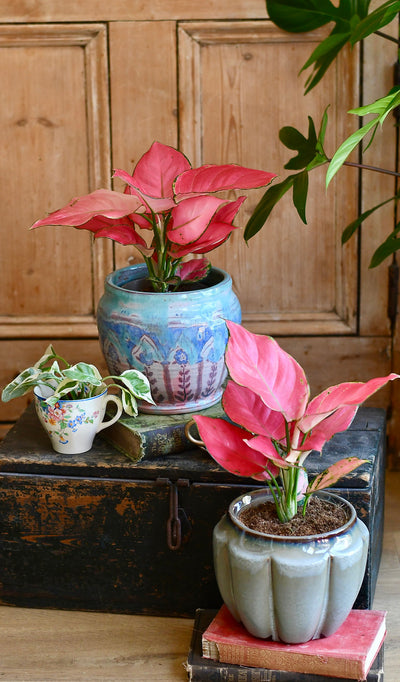
Aglaonema Pink Star is a plant that lights up a room the moment you bring it home. The leaves are brushed with soft pink tones and look as if they have been hand painted. There is something very cheering about it on a grey London afternoon when you are waiting for the sun to show itself again. We always recommend Aglaonemas to customers who want a beautiful houseplant without endless chores. They are calm, steady growers that suit family living, rental flats and anyone who likes plants but has other things on their plate.
Buy Aglaonema Pink Star here

If you are lucky enough to live somewhere warmer, you can grow Aglaonema Pink Star outside in shade through the warmer months. Friends in California and Florida keep theirs on porches and patios all year long. Here in London we treasure ours indoors and watch it glow happily against the backdrop of rain.
Aglaonema Pink Star light
Aglaonema Pink Star grows best in bright indirect light. It is kinder than many patterned plants and copes well in homes where daylight is softer. A living room that stays bright through the day, a hallway that catches light from a window or a bedroom shelf can all work. Try to avoid direct hot sun which can bleach out the lovely colour. We often notice the pink deepens when the plant gets gentle light throughout the day.
Aglaonema Pink Star watering
Let the top of the compost dry slightly between waterings. Water well and let the extra run through. In London with central heating the compost sometimes dries faster in winter, so it is always worth feeling the top layer rather than watering by habit. Drooping leaves often mean the plant wants a drink and they usually lift again within a few hours.
Aglaonema Pink Star humidity
Normal home humidity is perfectly fine. You do not need to mist Aglaonema Pink Star. Just keep it out of the blast of radiators when they come on in winter. Warm dry air can crisp the edges of the leaves.

Aglaonema Pink Star temperature
A steady indoor temperature between sixteen and twenty four degrees suits this plant very well. Older houses with cool corners are usually fine so long as there are no cold draughts. Try not to place it right beside a radiator or in front of an open window in winter.
Aglaonema Pink Star soil and repotting
Use a loose free draining indoor potting mix. Repot every two or three years or when the plant starts pressing against the sides of the pot. Aglaonemas like to feel comfortable so do not move it into a very large pot in one go.
Aglaonema Pink Star feeding
Feed once a month during spring and summer with a balanced liquid feed. Stop feeding when the plant slows in winter. Aglaonemas rest a little when the days shorten.
Aglaonema Pink Star toxic to pets
Keep this plant away from pets and small children who like to chew. It can cause stomach upset if eaten.
Aglaonema Pink Star pests
Mealybugs and spider mites can appear from time to time, especially if the room air becomes very dry. Check leaves now and again and wipe the stems if you notice small fluffy spots. If caught early, problems are easy to manage.
Aglaonema Pink Star problems and troubleshooting
Yellow leaves
Usually too much water sitting around the roots
Leaf tips turning brown
Often dry indoor air or hot heating
Drooping leaves
Almost always thirst
Pale colour or fading pink
Not enough light or too much direct sun
Buy Aglaonema Pink Star from Happy Houseplants here

Aglaonema Pink Star frequently asked questions
Why is my Aglaonema Pink Star losing its pink colour
It is reacting to light. Move it closer to a bright window but keep it out of direct sun
Why are the leaves turning yellow
The plant is likely sitting in wet compost. Water less often and allow the soil to dry slightly
Is Aglaonema Pink Star good for beginners
Yes. It is one of the easiest and most forgiving patterned houseplants to grow indoors
Explore more at Happy Houseplants
Browse our easy care houseplants
https://www.happyhouseplants.co.uk/collections/easy-care
Discover more tropical indoor plants
https://www.happyhouseplants.co.uk/collections/tropical-indoor-plants
Read more guides on the Happy Houseplants blog
https://www.happyhouseplants.co.uk/blogs/houseplant-blog




Leave a comment