



Syngonium podophyllum (Arrowhead Plant) Care Guide
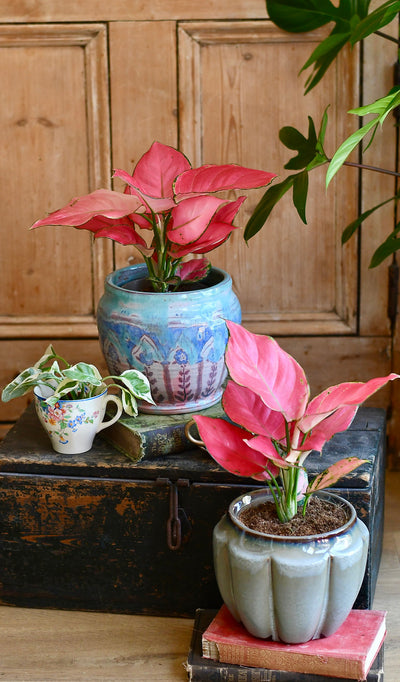
Syngonium podophyllum, often called the Arrowhead Plant, is one of those houseplants that seems to settle happily into family life. With broad, pointed leaves that shift in shape as they age, it begins compact and bushy and slowly transforms into a gentle trailing plant or climber as the stems lengthen. The ‘Red Heart’ form brings a wash of warm pink across the blades, lifting the look of a mantlepiece or kitchen shelf even on overcast days.
Part of the charm of Syngonium is how adaptable it is to British homes. It copes with brighter rooms in summer and keeps ticking over through the low light of winter, shrugging off dry central heating and the occasional missed drink. It is a fine choice for anyone discovering houseplants for the first time, and equally rewarding for collectors who enjoy the range of colours and patterns across the Syngonium family.

Buy Syngonium Red Heart from Happy Houseplants here
https://www.happyhouseplants.co.uk/products/syngonium-podophyllum-red-heart?_pos=2&_sid=f9e278f14&_ss=r
Syngonium light
Bright, indirect light brings out the best colour and encourages full, shapely leaves. A spot near a window that receives good daylight but no harsh midday sun is ideal.
Syngonium will tolerate lower light and still look respectable, though growth may slow and leaves may grow broader and greener. If stems begin stretching between nodes, move a little closer to natural light.
Syngonium watering
Allow the top of the compost to dry out before watering again. Arrowhead Plants prefer lightly moist soil but dislike waterlogged conditions.
In a typical UK home:
• Water every 7–10 days in summer
• Reduce significantly in winter, sometimes to every 2–3 weeks
Check the soil before reaching for the watering can. Drooping leaves generally perk up once moisture returns, whereas yellowing or limp stems often mean watering has been too frequent.
Syngonium humidity
Average home humidity suits the plant well. In houses with central heating, especially older properties that dry out in winter, simply keeping the plant away from radiators helps more than misting. A kitchen or bathroom sill can give it a gentle boost without effort.
Syngonium temperature
Eighteen to twenty four degrees is ideal. Arrowhead Plants manage cool nights but resent draughts. Avoid placing them on cold tiles or right beside patio doors in January, where temperatures dips can lead to leaf curl.
Syngonium soil and repotting
Use a free draining indoor plant mix. Compost with a pinch of perlite or bark improves structure and ensures water moves through quickly.
Repot every year or two in spring or early summer, stepping up just one size. The plant grows steadily once settled and appreciates space for its roots to explore.
Syngonium feeding
Feed lightly every three to four weeks in spring and summer with a balanced liquid fertiliser. The plant slows naturally through autumn and winter and feeding can pause until days lengthen again.
Syngonium shape, training and growth
Arrowhead Plants have two growth stages:
-
Juvenile — compact, arrow-shaped leaves
-
Mature — trailing or climbing stems with broader, more lobed foliage
This means you can choose the look you prefer.
Left to trail, Syngonium softens shelf edges beautifully. Provided with a small stake or moss support, it climbs neatly and produces larger leaves. Trimming back stems keeps plants compact and encourages fresh shoots from the crown.

Syngonium propagation
One of the most generous plants for sharing.
• Take a stem cutting with at least one node
• Trim off lower leaves
• Root in water or insert directly into compost
• Keep warm and bright
Roots normally form within two weeks in the growing season. Several cuttings planted together make a fuller plant quickly, ideal for filling gaps in a pot.
Syngonium pet safety
As with many indoor aroids, the sap can irritate if nibbled or handled roughly. Most households simply place the plant where curious pets or small children can’t reach — on a sideboard, bookshelf or plant stand — and enjoy it without fuss.
Syngonium pests
Mealybugs, aphids and the occasional spider mite may appear, especially on fresh growth. Good airflow and regular checks help prevent infestations. Wiping the leaves now and then keeps them clean and makes spotting anything early much easier.
Syngonium problems and troubleshooting
Yellowing leaves
Often from overwatering — allow the soil to dry more deeply
Curling leaves
Underwatering or cool draughts
Pale colour
Low light — brighten the spot
Leggy growth
Plant searching for light — move nearer a window and prune
Brown edges
Dry air or soil drying completely between waterings
Buy Syngonium Red Heart from Happy Houseplants here
https://www.happyhouseplants.co.uk/products/syngonium-podophyllum-red-heart?_pos=2&_sid=f9e278f14&_ss=r
Syngonium frequently asked questions
Why are my Syngonium leaves fading in colour?
Low light is the usual cause. Move the plant closer to natural daylight for stronger tones.
Can I cut back a Syngonium?
Yes — trimming encourages new shoots and is a good way to thicken the plant.
Do Syngoniums trail or climb?
Both. Younger plants stay compact, but with time they develop vines that can be trained upward or left to cascade.
Explore more at Happy Houseplants
Browse easy care plants
https://www.happyhouseplants.co.uk/collections/easy-care
Discover tropical indoor plants
https://www.happyhouseplants.co.uk/collections/tropical-indoor-plants
Read the Happy Houseplants blog
https://www.happyhouseplants.co.uk/blogs/houseplant-blog




Leave a comment