



Tradescantia Nanouk Indoor Care Guide | Light, Watering, Shaping & Propagation
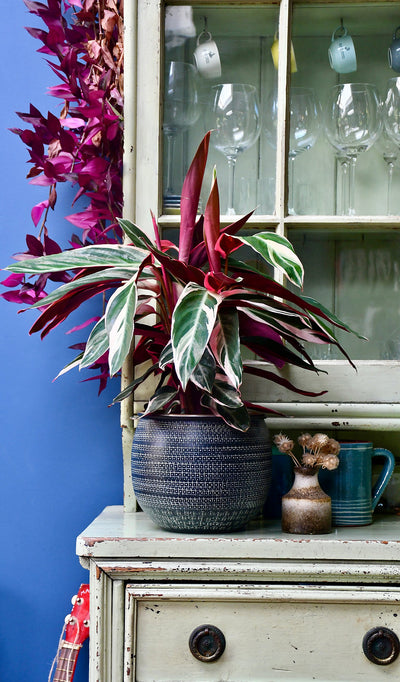
Tradescantia Nanouk is one of the most rewarding plants to grow indoors, especially once you move beyond the basics. Known for its striped pink, lilac and green leaves, it trails beautifully with age and responds dramatically to small changes in light, watering and pruning. Nanouk is often chosen for its colour, but where it truly shines is in its ability to regenerate, thicken and brighten when given the right care.
This guide is written for growers who already own a Nanouk or who want to understand how to keep it at its colourful best over time. From shaping and propagation to preventing soft stems and colour fade, it focuses on the techniques that help Nanouk stay compact, vivid and thriving throughout the seasons.

Buy Tradescantia Nanouk from Happy Houseplants here
https://www.happyhouseplants.co.uk/products/pink-tradescantia-nanouk-wandering-dude-fantasy-venice?_pos=1&_sid=1f99ac942&_ss=r
Tradescantia Nanouk light
Bright indirect light is essential for vivid colour and dense growth. A south or west-facing window with gentle filtered light works beautifully, while an east-facing spot provides ideal morning sunshine. Avoid intense midday rays which may scorch delicate leaves. Low light causes stretching between leaves and faded colour, so if foliage begins drifting greener and stems lengthen, move Nanouk into a brighter position.
Tradescantia Nanouk watering
Allow the top few centimetres of compost to dry before watering. Nanouk enjoys consistent moisture but fails quickly if left sitting in waterlogged soil. Water thoroughly, allow excess to drain, and leave the plant until the surface feels dry before watering again. In winter, intervals naturally extend as growth slows. Soft stems at the base, a mushy feel or sudden collapse point to overwatering.
Tradescantia Nanouk humidity
Average home humidity suits this plant well. It does not require misting, and dry indoor air rarely causes issues. If your home becomes particularly dry in winter, keeping the plant away from radiators is more helpful than increasing humidity artificially.
Tradescantia Nanouk temperature
Fifteen to twenty five degrees is the ideal range. Nanouk dislikes cold draughts, north-facing window glass in winter, and radiator tops in summer. Cooler temperatures slow growth and may dull colours temporarily, while high heat dries the plant too quickly between waterings.

Tradescantia Nanouk soil and repotting
Use a free draining houseplant mix. Nanouk’s roots prefer lightly moist conditions but not saturation, so composts with added perlite or bark work well. Repot when roots circle the pot or when the plant dries out quickly after watering. Move up just one pot size at a time; oversized containers increase the risk of rot.
Tradescantia Nanouk feeding
Feed every three to four weeks in spring and summer with a balanced liquid fertiliser. Light, consistent feeding supports both brightness and growth. Pause feeding entirely in winter.
Tradescantia Nanouk rejuvenation
Older Tradescantia stems naturally become woody and pale. A simple rejuvenation cycle keeps Nanouk looking fresh:
• trim tired growth back to young nodes
• root tip cuttings and replant into the pot
• remove older stems once new ones establish
Many long-term Nanouks are the result of several generations of cuttings rather than a single plant.
Tradescantia Nanouk pruning and shaping
Nanouk responds strongly to pruning. Trimming stems encourages branching and maintains a compact form. Cut just above a leaf node and new shoots typically emerge within a fortnight during active growth. Regular trimming prevents the sprawling, loose look that develops over time.

Tradescantia Nanouk propagation
Nanouk is exceptionally easy to propagate.
-
Snip a stem just below a node
-
Remove lower leaves on the cutting
-
Root in water or directly into fresh compost
-
Keep warm and bright, not wet
Roots often appear within ten to fourteen days. Root several cuttings together for an instantly fuller plant or to refresh tired pots.
Tradescantia Nanouk seasonal behaviour
Nanouk reacts strongly to changing daylight. In spring and summer, new growth arrives quickly, colours intensify and watering speeds up. In autumn and winter, growth slows, colour softens and internodes stretch slightly. These shifts are normal seasonal responses rather than care issues.
Tradescantia Nanouk and artificial lighting
Nanouk adapts well to LED grow lighting. Place the plant thirty to fifty centimetres below a full spectrum bulb and aim for eight to twelve hours of supplemental light during darker months. Artificial light helps maintain pink tones even when natural daylight is scarce.
Tradescantia Nanouk pet safety
Not harmful to touch, but nibbling may cause mild stomach upset and the sap can irritate sensitive skin, so best displayed out of reach.
Tradescantia Nanouk pests
Aphids, spider mites and occasionally thrips may appear, especially on softer new leaves. Good airflow, bright light and moderate watering help prevent infestations. Check leaf undersides regularly and address issues early.
Tradescantia Nanouk problems and troubleshooting
Leggy stems
Low light — move closer to a window
Fading colour
Light too weak or natural seasonal shifts
Brown leaf edges
Underwatering or very dry air
Soft stems at soil level
Overwatering or compacted compost
Wilting despite damp soil
Likely root rot — trim and restart from healthy tips
Patchy variegation
A natural part of ageing stems — prune to rejuvenate
Green takeover
Remove fully green stems to preserve colour
Buy Tradescantia Nanouk from Happy Houseplants here
https://www.happyhouseplants.co.uk/products/pink-tradescantia-nanouk-wandering-dude-fantasy-venice?_pos=1&_sid=1f99ac942&_ss=r
Tradescantia Nanouk frequently asked questions
Why is my Nanouk losing its colour?
Nearly always low light. Move it closer to a bright window or supplement with a grow light.
Can I prune my Tradescantia Nanouk?
Absolutely. Pruning encourages bushier growth and gives you cuttings to root back into the pot.
Why are the stems going soft?
This points to overwatering or slow-drying compost. Allow the mix to dry more thoroughly between waterings.
Explore more at Happy Houseplants
Browse easy care plants
https://www.happyhouseplants.co.uk/collections/easy-care
Discover tropical indoor plants
https://www.happyhouseplants.co.uk/collections/tropical-indoor-plants
Read the Happy Houseplants blog
https://www.happyhouseplants.co.uk/blogs/houseplant-blog
For a lighter introduction to Nanouk and its origin story, read our feature post on the Happy Houseplants blog.




Leave a comment